
Testing the waters before you dive into real-money action is a smart move, especially when you’re just starting out down under. Whether you’re in a Brisbane pub watching the punters or browsing from your couch in Perth, running trial sessions helps you get a feel for the games without risking your hard-earned dosh. We Aussies love a good flutter, but there’s no need to throw your money at a slot machine or a card table before you know what you’re doing. A proper trial run lets you learn the ropes, understand the payout structures, and figure out which games actually suit your style. You’ll see how the reels spin, how the virtual dealers handle the shuffle, and whether the software runs smoothly on your device. It’s all about getting comfortable with the interface and the pace of play before you hand over your credit card details. When you take the time to explore the free-play options, you’re basically giving yourself a fair go at learning the rules without the pressure of watching your bankroll dwindle. You can try out different betting sizes, see how the bonus features trigger, and get a sense of the volatility without any real-world consequences. That sort of preparation makes the transition to real-money play a whole lot smoother, and you’ll know exactly what you’re walking into when you finally decide to put some skin in the game.
The Australian market has gone properly bonza when it comes to digital betting platforms, with plenty of operators vying for a slice of the pie. You’ve got licensed venues operating under state-based regulations, and the responsible gambling frameworks are tighter than ever. That means you can test games in a safe environment while keeping your wits about you. Running a trial session isn’t just about chasing a win; it’s about building your confidence and picking up on the little details that separate a clueless newbie from someone who knows how to manage their play. You’ll notice how the random number generators work, how the paytables are laid out, and whether the game holds your attention for more than a couple of minutes. If you’re keen to see how a particular pokie handles itself, you can spin up a free session and watch the mechanics in action. Sites like starlight princess 1000 give you a chance to poke around the features without opening your wallet, which is a fair dinkum way to figure out if the game’s your cup of tea. Once you’ve had a proper look around, you’ll know whether you want to stick with low-variance games that pay out frequently or chase the bigger hits that don’t come around often.
For players looking to stay in control, accessing independent advice is a smart move. You can find comprehensive tools and support at safe gambling practices, ensuring the fun doesn’t turn into a problem. It’s all about keeping the experience enjoyable while knowing where to turn if things get heavy.
Figuring Out How Trial Play Actually Works
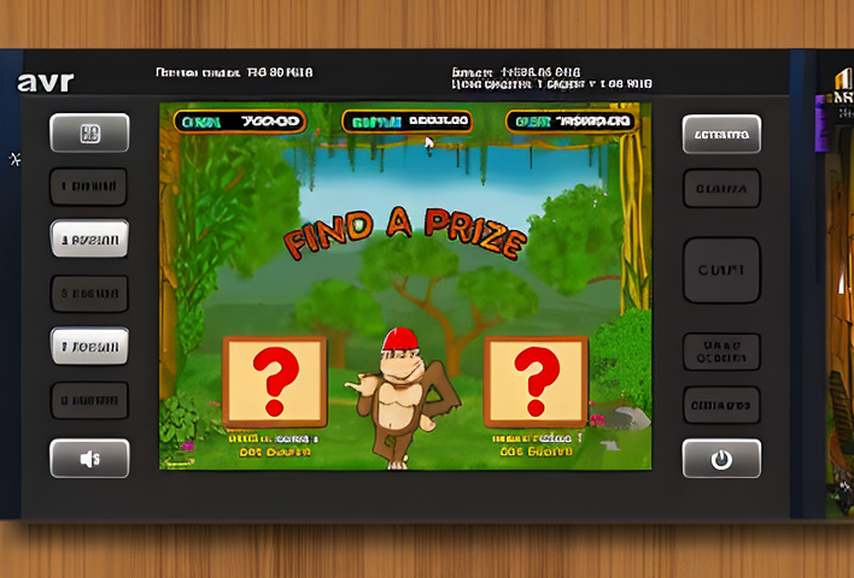
When you fire up a free-play session, you’re essentially running a simulation of the real deal without any financial risk. The software pulls from the same random number generator that powers the paid version, so the outcomes you see in trial mode mirror what you’d get if you were betting actual cash. The main difference is that you’re working with virtual credits that don’t translate to your bank account, which means you can afford to be a bit more relaxed about your choices. This is where a lot of greenhorns get tripped up, because they treat the trial credits like they’re already theirs and start making reckless bets that wouldn’t make sense in a real-money setting. The trick is to use the trial period to observe how the game behaves over a decent stretch of spins or hands. You’ll see how often the bonus rounds trigger, how the paylines line up, and whether the game tends to give you small regular wins or hold back for bigger payouts. That sort of observation is gold when you’re trying to work out whether a game matches your bankroll and your patience level. You can also test the mobile interface to see if the buttons are easy to tap, whether the animations run smoothly on your phone, and if the sound settings are cranked up to a level that doesn’t drive you barmy. All of that matters when you’re planning to play on the train home or while you’re waiting for a flat white at the local cafe.
Another thing worth keeping in mind is that trial modes don’t always replicate the full experience you get when you’re playing for real money. Some platforms restrict certain features in the free version, like max bet limits or access to progressive jackpots, so you need to read the fine print before you assume you’ve seen the whole picture. You’ll also find that the pace of play can feel a bit different when there’s no actual money on the line, because your brain doesn’t register the same level of excitement or tension. That’s why it’s smart to treat trial sessions as a learning tool rather than a crystal ball for future wins. You’re gathering information about the game’s mechanics, the layout of the screen, and the way the bonus features interact with your betting pattern. Once you’ve got a solid grip on how the game runs, you can make a more informed decision about whether you want to switch to real-money mode and what sort of stake you’re comfortable with. If you want to dig deeper into how gaming research breaks down player behaviour and the maths behind these systems, the conversation over at theconversation.com/au has some proper insightful reads that’ll give you a clearer picture of what’s happening under the hood.
Once you understand these constraints, you can better evaluate which platforms offer genuine value beyond the demo phase. For a practical example of how these features work in a real-money setting, you can visit the starlight princess 1000 page to review the full game specifications and payout potential. This due diligence ensures you are not caught off guard by limitations when you decide to wager actual funds.
Picking Games That Suit Your Style
Not every game is going to click with you, and that’s exactly why trial sessions exist. Some pokies are built for players who like a steady stream of small wins and don’t mind waiting around for the occasional bigger hit, while others are high-variance beasts that can go quiet for ages before delivering a proper payout. If you’re the type who likes to keep the action moving without blowing through your credits in five minutes, you’ll want to lean toward games with lower volatility and a higher hit frequency. You can figure that out pretty quickly by running a few hundred spins in trial mode and watching how the balance fluctuates. If your virtual stack stays relatively stable and you’re seeing regular small payouts, you’ve probably found a game that matches a cautious approach. On the flip side, if the balance swings wildly and you’re getting long dry spells between wins, you’re looking at a high-variance title that’s better suited to someone with a bigger bankroll and a thicker skin. Card games work a bit differently, because the outcome depends on the rules of the table and the decisions you make rather than pure chance alone. If you’re testing out a digital blackjack or baccarat table, pay attention to the house edge, the payout ratios, and whether the dealer follows standard rules or tweaks them in a way that works against you. You’ll also want to check whether the game offers late surrender, doubling after split, or other player-friendly options that can tilt the maths in your favour. All of that information is easy to pick up when you’re playing with virtual chips and nobody’s judging your play.
The beauty of trial play is that you can jump between different titles without committing to any of them. You might start with a classic fruit machine that reminds you of the old-school venues, then switch over to a modern video pokie with cascading reels and multiplying wilds. You could test a roulette wheel with European rules, then move over to an American version and see how the extra double-zero changes the odds. That sort of hands-on comparison is impossible to get from a brochure or a review site, because you need to actually interact with the interface and see how the game feels in practice. You’ll notice whether the animations are crisp or a bit clunky, whether the sound effects add to the atmosphere or just get on your nerves, and whether the bet adjustment controls are intuitive or a proper pain to navigate. Once you’ve spent some time with a few different games, you’ll have a much clearer idea of what you enjoy and what you’d rather avoid. That saves you from jumping into real-money play with a game you don’t actually like, which is a common mistake that sees plenty of new punters burning through their funds before they’ve even figured out what they’re doing.
Reading the Rules Without Getting Bamboozled
Every game comes with a set of rules and a paytable that tells you exactly what you’re playing for, but the way that information is presented can vary wildly from one platform to the next. Some developers pack the paytable with heaps of symbols and bonus conditions, while others keep things simple and let the gameplay speak for itself. When you’re in trial mode, take the time to open the info section and read through the rules properly. You’ll want to know what each symbol pays out, how the wilds and scatters function, whether there are any special expanding or sticky features, and what it takes to trigger the free spins or bonus rounds. That sort of knowledge stops you from making silly mistakes like betting too low to qualify for a progressive jackpot or missing out on a bonus feature because you didn’t realise you needed a certain combination of symbols on an active line. You’ll also see whether the game has any special mechanics like cascading reels, expanding wilds, or multipliers that kick in during certain phases. All of that detail matters when you’re trying to work out whether a game is worth your time and whether the payout structure lines up with your expectations. If the paytable looks a bit confusing, you can always run a few test spins and watch how the symbols land, which gives you a practical sense of how the game behaves that you can’t get from reading the rules alone.
This means players need to look beyond the flashy graphics and dig into the fine print to understand their true odds. For a broader perspective on how these mechanics influence player behavior, you might read insights from independent research. Ultimately, knowing the difference can help you manage your expectations before you start playing.
Card tables have their own set of rules that you need to get your head around before you start playing for real money. Blackjack, for instance, has a whole bunch of rule variations that can shift the house edge by a noticeable margin. You’ll want to check whether the dealer stands westportgroup.org on soft seventeen, whether you’re allowed to double down on any two cards or only on specific totals, and whether splitting pairs is limited to a certain number of hands. Those details might sound like small print, but they add up over a long session and can make the difference between a game that’s reasonably fair and one that’s stacked against you. Baccarat is a bit more straightforward, but you still need to know the difference between the player and banker bets, how the commission works on banker wins, and whether the tie bet is worth touching or just a trap for clueless players. When you’re running trial sessions on a digital table, you can watch how the dealer handles the cards, see how the payouts are applied, and get a feel for the pace of the game. That sort of preparation means you’re not walking into a real-money table blind and making decisions that go against the basic strategy. If you want to keep your play sensible and stay on the right side of the responsible gambling guidelines, responsiblegambling.org.au has some solid resources that’ll help you keep your head in the game and avoid sliding into habits that cost you more than you can afford.
Getting the Hang of Bankroll Habits
Managing your credits in trial mode is a bit different from managing real money, but the habits you build during free play carry over nicely when you switch to the paid version. The main thing you want to practice is setting a limit for how many virtual credits you’re willing to use in a single session and sticking to it, even when the game is on a hot streak or you’re feeling tempted to chase a bigger win. That sort of discipline is hard to learn when you’re playing with pretend money, but it’s a skill that pays off massively when you’re dealing with actual cash. You can also experiment with different bet sizes to see how they affect the length of your session and the frequency of your wins. If you’re betting too high relative to your balance, you’ll burn through your credits quickly and not get enough spins to see how the game behaves over time. If you’re betting too low, you might not trigger certain bonus features that require a minimum stake, which means you’re missing out on part of the game’s potential. Finding the sweet spot takes a bit of trial and error, and that’s exactly what the free-play mode is for. You can adjust your bet size, run a few hundred spins, and see how the balance holds up before you decide on a stake that works for your real-money bankroll.
Another habit worth building is keeping track of how long you’ve been playing and how your mood shifts as the session goes on. Some games are designed to keep you engaged for ages with frequent small wins and flashy animations, while others are more likely to test your patience with long dry spells. When you’re playing in trial mode, pay attention to whether you’re getting bored, frustrated, or overly excited, because those emotions carry straight over to real-money play. If you notice that a particular game has you reaching for your phone every few seconds or checking the balance obsessively, that’s a sign that the game might not be the best fit for your temperament. You’ll also want to practice stopping at a predetermined point, whether that’s after a certain number of spins or once you’ve used up your allocated trial credits. That sort of self-control is the foundation of sensible play, and it’s something you can train in a risk-free environment before you’re dealing with actual money. If you’re testing out a pokie that’s running smoothly on your device and the balance is holding up nicely, you can take a screenshot of your session and compare it to later runs to see whether the game’s behaviour is consistent. That sort of record-keeping helps you spot patterns and make better decisions about which games deserve your time and which ones are better left alone.
Sorting Fact From Fiction in the Maths
There’s a heap of nonsense floating around about how games work, and a lot of it gets passed off as wisdom by people who’ve never actually looked at the maths. One of the most persistent myths is the idea that a number or a payout is “due” after a long run of losses, as if the machine or the table is keeping score and owes you a win. That’s just not how independent events work, because each spin, each hand, and each roll has no memory of what happened before it. The random number generator doesn’t care whether you’ve lost ten times in a row or won three times in a row, and it doesn’t adjust the odds to balance things out. Every outcome is drawn from the same probability distribution, which means past results have zero influence on what happens next. Believing in a “due” payout is a quick way to chase losses and throw good money after bad, because you’re betting on a pattern that doesn’t exist. The only way to get a proper sense of how the odds work is to understand that variance is a normal part of the game and that short-term swings don’t tell you anything about the long-term expectation. When you’re running trial sessions, you’ll see those swings firsthand, and that’s actually a good thing because it teaches you to expect them and not panic when the balance dips.
Card games introduce a different layer of maths, because the composition of the remaining deck changes as cards are dealt and removed. That’s where deeper penetration benefits skilled card counters, because the more cards that have been seen and removed from the shoe, the more accurate your count becomes and the better you can estimate the remaining advantage. Penetration refers to how deeply into the shoe the dealer deals before shuffling, and a deeper cut means you’ve got more information to work with before the deck is reset. That doesn’t mean every player needs to become a counter, but it does mean that the maths behind card games is dynamic in a way that slot machines aren’t. When you’re testing out a digital blackjack table in trial mode, you can observe how the cards are dealt, whether the shoe is reshuffled after every hand or after a set number of rounds, and how the rule variations affect the basic strategy. That sort of observation helps you understand why certain plays are recommended and why other plays are mathematically unsound. The more you understand about the underlying maths, the less likely you are to fall for superstition or chase losses based on the idea that a win is “coming up.” You’ll make decisions based on the actual probabilities, which is the only approach that stands up to scrutiny over the long run.
Comparing Operators Before You Dive In
Once you’ve had a chance to test out a few games and get a feel for how the platforms work, it’s worth taking a step back and comparing the operators themselves. You want to look at the licensing situation, the range of games on offer, the quality of the software, the speed of the withdrawals, and the support options that are available when you need them. Some platforms are built for casual players who want a quick spin on a pokie and a smooth mobile experience, while others cater more to table-game players who want a proper casino feel with live dealers and detailed statistics. You’ll also want to check whether the platform offers a decent welcome package, whether the terms and conditions are fair, and whether the bonus features actually add value or just come with restrictive wagering requirements that make them hard to convert. All of that information is easy to gather when you’re browsing in trial mode, because you can jump between different titles, test the mobile interface, and see how the platform handles your virtual balance. If you’re looking for a quick comparison of some of the bigger names operating in the Australian space, the table below gives you a snapshot of how a few of the leading operators stack up against each other.
| Operator | Focus | Mobile Experience | Welcome Offer | Support Channels |
|---|---|---|---|---|
| Joe Fortune | Broad casino and sports mix with a strong Aussie focus | Smooth app and responsive browser play | Matched bonus with reasonable wagering | Live chat, email, phone |
| Starlight Princess 1000 | Poi kie focused with high-variance video titles | Mobile-optimised with quick load times | Free spins package on selected games | Live chat and email |
| Local State-Licensed Platforms | Table games and regulated sports markets | Standard responsive design | Deposit match with state-specific terms | Phone and email support |
The table gives you a quick way to see how different operators position themselves, but it’s only a starting point. You’ll want to dig into the terms and conditions, test the withdrawal process with a small amount if you can, and see whether the support team actually responds in a reasonable timeframe. Some platforms look flashy on the surface but fall apart when you try to cash out, while others are a bit plain but run smoothly and treat their players fairly. That’s why trial play is so useful, because it lets you see the platform in action before you commit any real money. You can test the navigation, check the game library, and get a sense of whether the interface feels intuitive or clunky. Once you’ve done that sort of comparison, you’ll have a much clearer idea of which operator aligns with your preferences and which ones are better left on the shelf.
Smart Moves for New Players
If you’re just starting out and want to make the most of your trial sessions without falling into common traps, there are a few practical habits that’ll set you up for a smoother experience. The goal isn’t to turn trial play into a guaranteed win streak, because that’s not how games work, but to build a solid understanding of the mechanics, the maths, and your own habits before you put real money on the table. Here are some practical moves that’ll help you get the most out of your free-play time and make the transition to real-money play a lot less stressful.
- Run at least a few hundred spins or hands in trial mode before you decide whether a game is worth your time, because short sessions don’t give you enough data to see how the variance plays out.
- Check the paytable and rule section thoroughly, because missing a key detail like a minimum bet requirement for a bonus feature can cost you big when you switch to real money.
- Test the mobile interface on your actual device, because a game that looks fine on a desktop might feel cramped or slow when you’re tapping through it on a phone.
- Set a virtual credit limit for each session and stick to it, because practising discipline in a risk-free environment builds habits that protect your bankroll later.
- Compare the house edge and rule variations across different table games, because small differences in rules like dealer stands on soft seventeen or doubling restrictions can shift the maths noticeably.
- Keep a note of how you feel during trial sessions, because if a game has you feeling frustrated or overly excited, that’s a sign it might not suit your temperament when real money is involved.
- Read the terms and conditions on any welcome offer before you deposit, because wagering requirements and game restrictions can turn a flashy bonus into a headache if you’re not prepared.
Those habits might sound simple, but they’re the sort of things that separate a careful player from someone who blows through their funds in a single session. Trial play is your chance to make mistakes without paying for them, so use that freedom to learn the ropes, test your limits, and figure out what sort of games and stakes actually suit you. Once you’ve got a clear picture of how the games work and what you’re comfortable with, you’ll be in a much stronger position to make sensible decisions when you switch to real-money mode.
Take the Plunge With Confidence
Once you’ve spent some time running trial sessions, reading the rules, and getting a feel for how the games behave, you’ll be in a much better spot to decide whether you want to move to real-money play and which games deserve your attention. The whole point of testing things out first is to take the guesswork out of the equation and make sure you’re walking into a game with your eyes open. You’ll know how the paytable works, how the variance swings, and whether the platform runs smoothly on your device. That sort of preparation takes the edge off the excitement and lets you focus on the actual gameplay instead of wondering what you’re missing. If you’ve found a pokie or a table game that clicks with you and you’re ready to take the next step, make sure you’ve checked the terms, set yourself a sensible limit, and read up on the responsible gambling resources that are available. The more you understand before you start, the more control you’ll have over your play and the less likely you are to slide into habits that cost you more than you can afford. When you’re ready to jump in, pick a platform that’s licensed, transparent, and aligned with your preferences, and treat the real-money session as an extension of the trial work you’ve already done. That way you’re not walking in blind, and you’ve got a fair go at enjoying the game without letting it run away with you.